
You’ve saved a hundred pins. Your mood board is basically a fairy tale. And yet your actual room looks… like a room.
Relatable. Cottagecore is one of those aesthetics that looks effortless online but can get overwhelming fast – especially when half the “inspo” links dump you onto sketchy marketplaces with cartoon packaging and questionable shipping times.
This guide is different. Every product pick here is boycott-safe and halal-conscious – curated specifically for readers who care about where their money goes. It’s also designed to actually help you build a room that feels cozy and real – not like a Pinterest screenshot that fell apart in person.
Whether you’re starting from scratch or just want to finally make your space feel like you, here’s everything you need.
✨ Some links in this post are affiliate links. If you purchase through them, I may earn a small commission at no extra cost to you. It helps keep this blog going!
🌿 Some external product pages may contain images of women. Brothers in faith, please proceed with caution. Responsibility lies with the individual.
Quick Cottagecore Room Checklist #
Before diving in, here’s what a complete cottagecore room actually needs:
✓ Soft, muted color palette (cream, sage, blush)
✓ Floral or linen bedding
✓ Warm, layered lighting (lamps + candles)
✓ Vintage-inspired or woven rug (or a floral floor mat if you’re renting)
✓ Dried flowers or low-maintenance plants
✓ Linen or gauzy curtains
✓ Intentionally styled shelves
This whole post walks you through each of these in order.
What Is Cottagecore, Exactly? #
Cottagecore is an aesthetic built around slowing down. It romanticizes the countryside, handmade things, soft florals, mismatched vintage finds, and the kind of room that makes you want to curl up with tea and a book.
Think: linen curtains that flutter, dried flowers in a pretty vase, warm lamp light, and a bookshelf that looks lived-in instead of staged.
It overlaps with hygge (the Danish concept of cozy comfort – more on that in my hygge decor guide ) but cottagecore leans harder into florals, vintage, and nature. Less minimalism, more whimsy.
Why Boycott-Safe Matters in Home Decor #
If you’re careful about where your money goes, home decor is actually one of the trickier categories. A lot of popular home brands are owned by larger conglomerates with complicated supply chains.
The good news: there are genuinely lovely options from independent or clearly aligned brands – Rifle Paper Co., Anthropologie, Quince, Roomtery, Kore Kawaii, and AllModern all have solid cottagecore finds that don’t require you to compromise.
I personally cross-check brands using the No Thanks app before recommending anything here. At the time of writing, these brands did not appear on the list. Since boycott information can change, I recommend verifying current status yourself before purchasing.
7 Cottagecore Room Decor Ideas (That Actually Work) #
1. Build Your Color Palette First #
Before buying a single thing, decide on your palette. Cottagecore colors are muted, earthy, and soft – not bright or saturated.
Go-to cottagecore colors:
- Cream and warm white (base)
- Sage green and moss (nature anchor)
- Blush pink and dusty rose (floral accent)
- Warm beige and wheat (grounding neutral)
- Terracotta or clay (earthy depth)
The trick is to pick 2-3 and commit. A sage and cream room with blush accents will always look more intentional than a room where every pastel showed up uninvited.
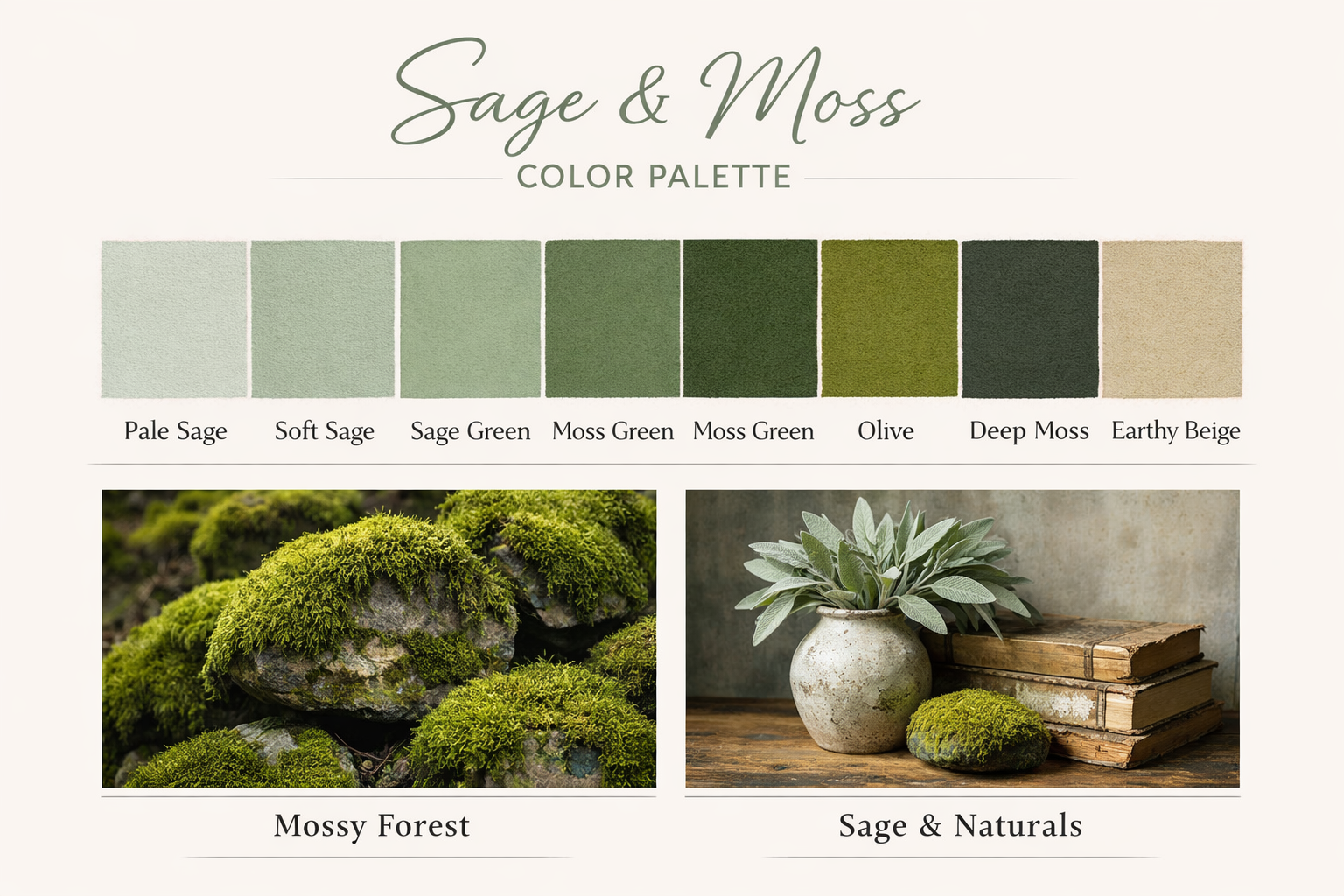
🔗 Sage green and moss
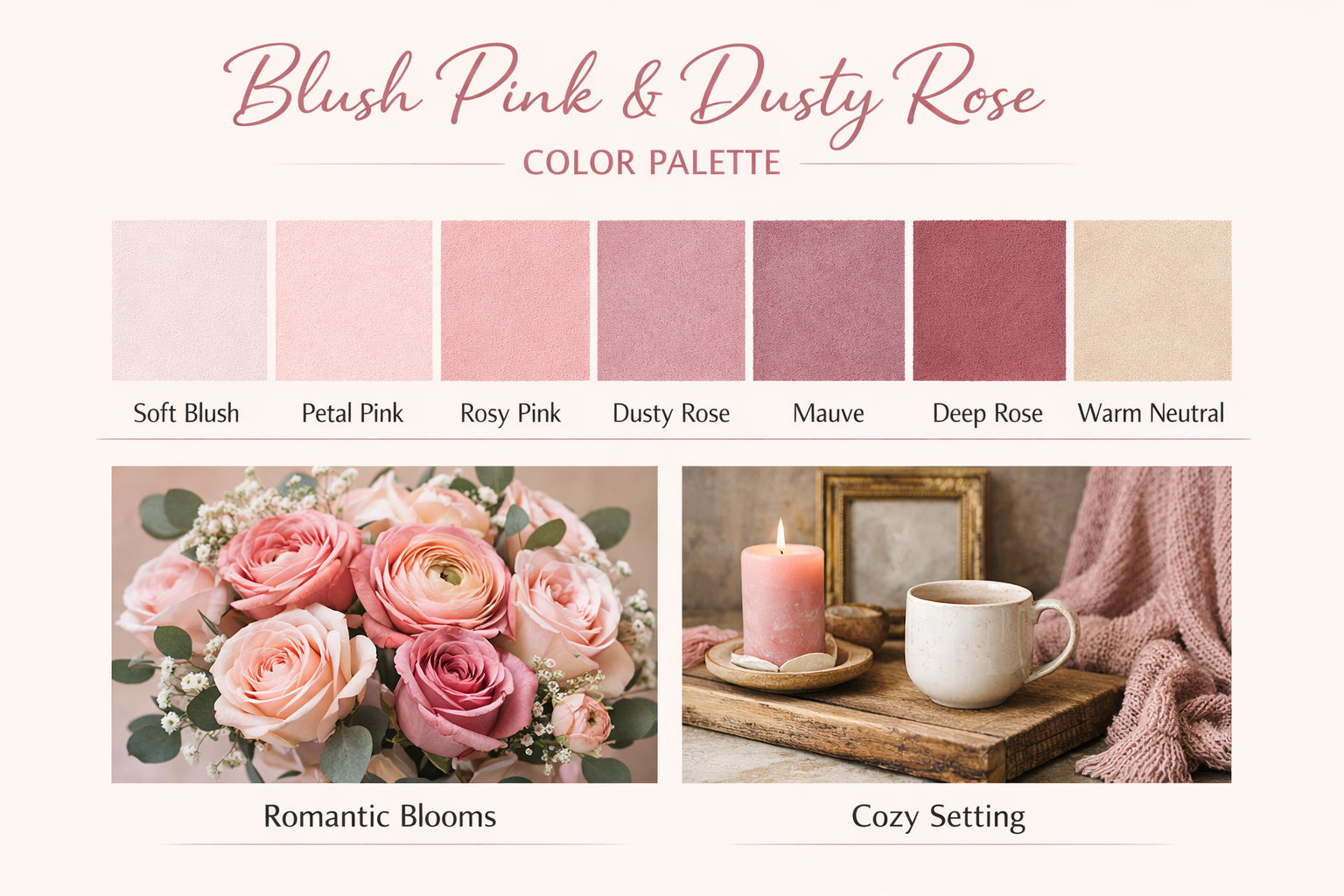
🔗 Blush pink and dusty rose
If you’re renting and can’t paint, lean into textiles, rugs, and art to bring the palette in. It works.
2. Get the Bedding Right – It’s Half the Room #
In a bedroom-focused cottagecore setup, the bed is the centerpiece. Everything else orbits it.
Look for: linen or cotton with a relaxed finish, florals that feel vintage (not novelty), and layers you can actually pile on.
Recommended picks (all boycott-safe): All three of these are from Roomtery, and you can take 10% off any of them with code PETAL10 at checkout.


Pro tip: Layer a floral duvet over solid linen sheets. Mix textures, not necessarily patterns, for a collected-not-chaotic look.
3. Light It Like a Fairy Tale #
Cottagecore lighting is warm, layered, and never harsh. The goal is “golden hour inside.”
Ditch overhead fluorescent if you can. Replace it with a mix of:
- A warm table lamp or two
- String lights along a shelf or window frame
- Candles (real or flameless for safety)
From my ShopMy lamp collection:


That last one is a Roomtery pick too, so the same PETAL10 code takes 10% off if you’re grabbing it alongside your bedding.
And candles deserve their own moment. Rifle Paper Co. candles are some of my favorites – pretty packaging, lovely scents, no questionable brand drama.
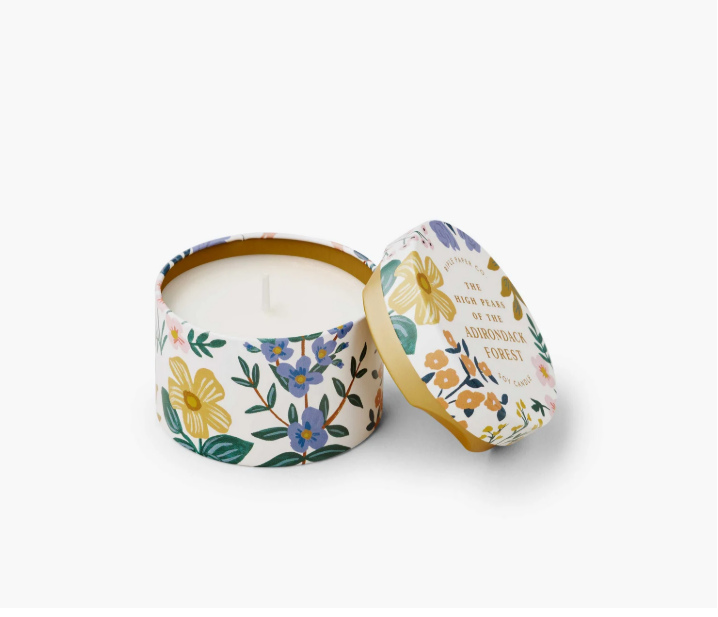

4. Add a Rug – Your Room Will Thank You #
A good rug grounds the whole space. For cottagecore, you want something that feels handmade or vintage: florals, woven textures, faded-looking patterns, jute, or wool.
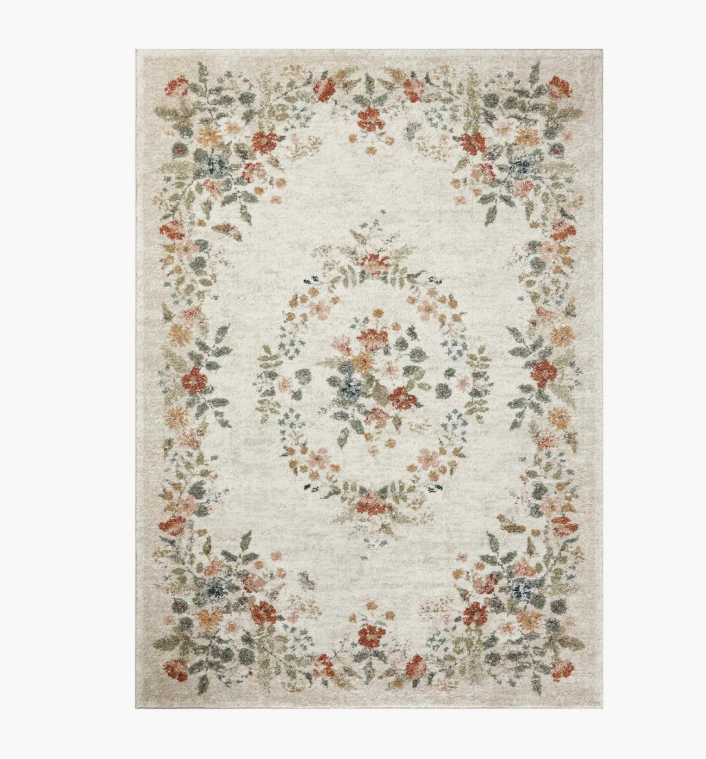
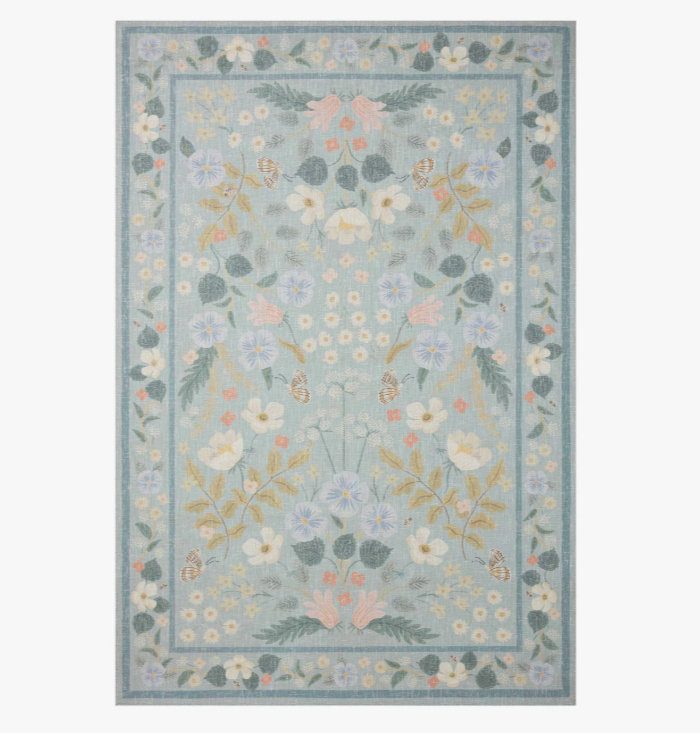
If you want something more budget-friendly (or you’re renting and need a lightweight floor mat instead of a full rug), these two green-toned picks from Kore Kawaii fit the sage-and-cream palette just as well and come with free global shipping plus 10% off with code PETAL10:
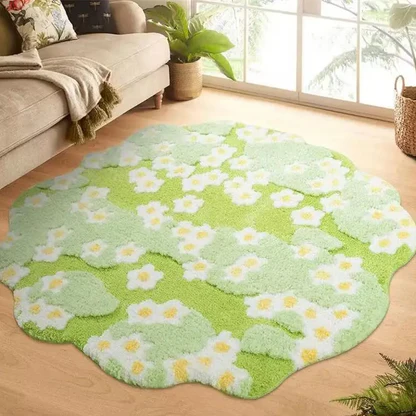
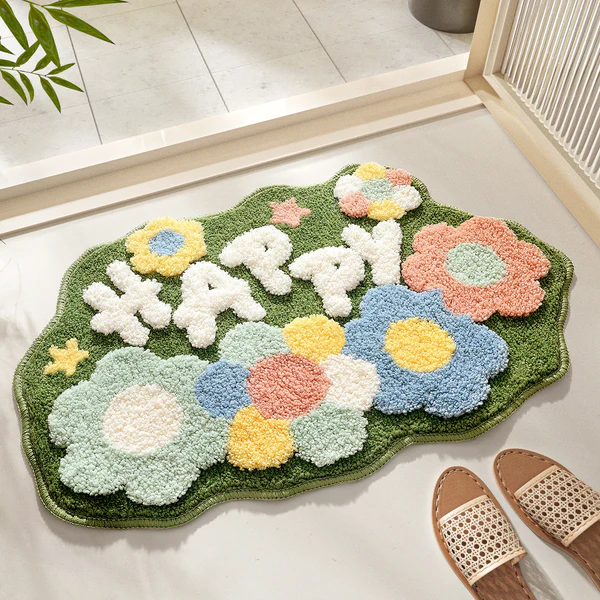
Size matters here. Most people go too small. If it’s a bedroom rug, it should sit under at least 2/3 of the bed frame. If you’re going with a smaller floor mat instead, use it as an accent in front of a reading chair or nightstand rather than trying to make it cover the whole room.
5. Bring Nature In (Without It Dying on You) #
Real plants are great if you have the time. But dried botanicals are a cottagecore cheat code – they look stunning, require zero effort, and last forever.
Think dried lavender, pampas grass, eucalyptus bundles, or pressed flower frames. A few stems in a pretty vase will do more for your room than 10 bought-in-a-rush knick-knacks.
Vases from my ShopMy collection:


Speaking of cozy green spaces – if you’re trying to create a full reading nook as part of your cottagecore setup, I put together a whole separate guide on how to build a cozy reading corner .
6. Layer with Curtains and Throw Pillows #
Soft textiles are what make a room feel held. The goal is layers – not matching sets.
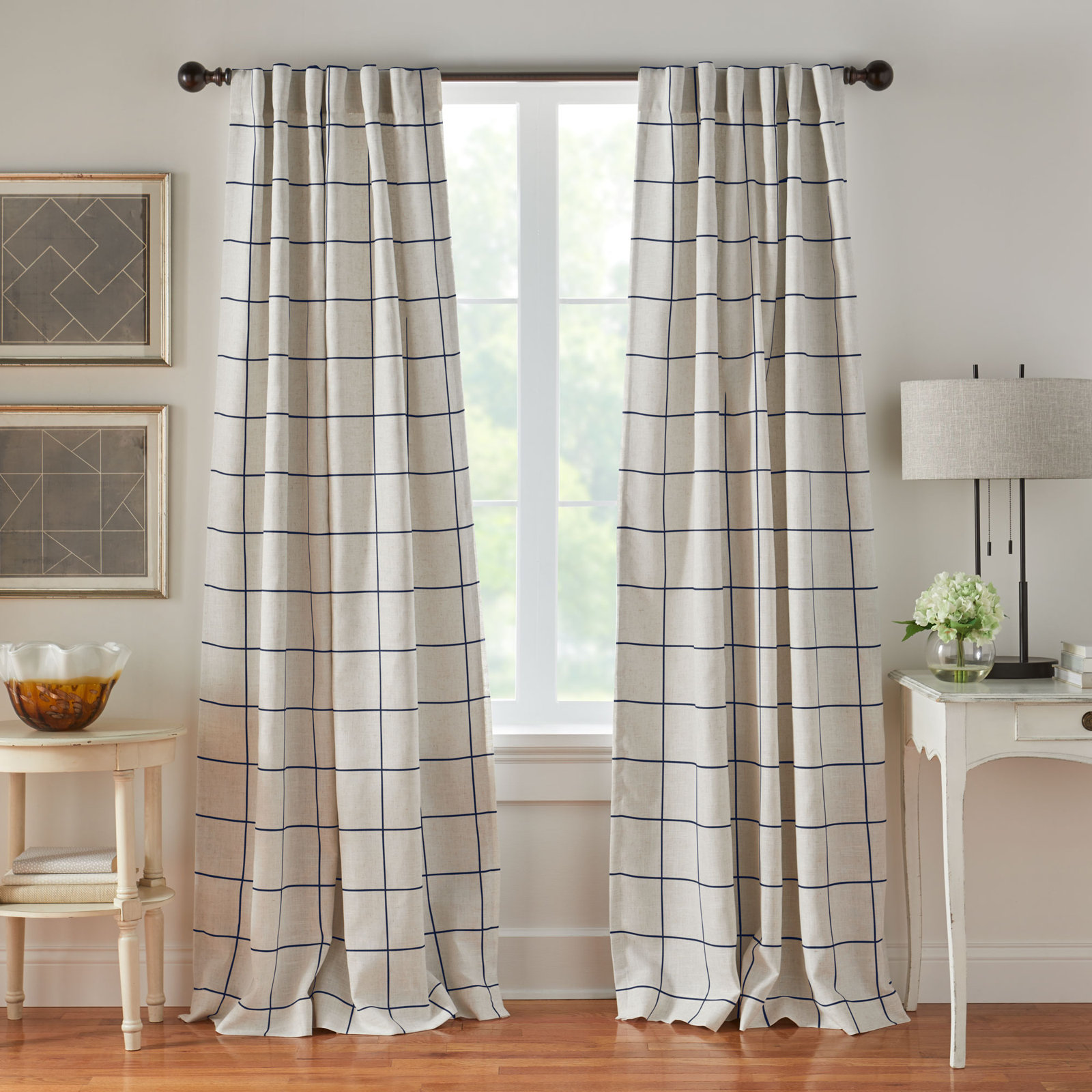
For curtains, linen or light cotton in ivory, sage, or blush works beautifully. Avoid blackout curtains unless you genuinely need them; cottagecore rooms live for soft natural light filtered through gauzy fabric.
Curtains from my collection:


For throw pillows, mix textures rather than matching perfectly. A linen pillow, a slightly floral one, and a solid textured one in your palette will look more intentional than a matchy set.
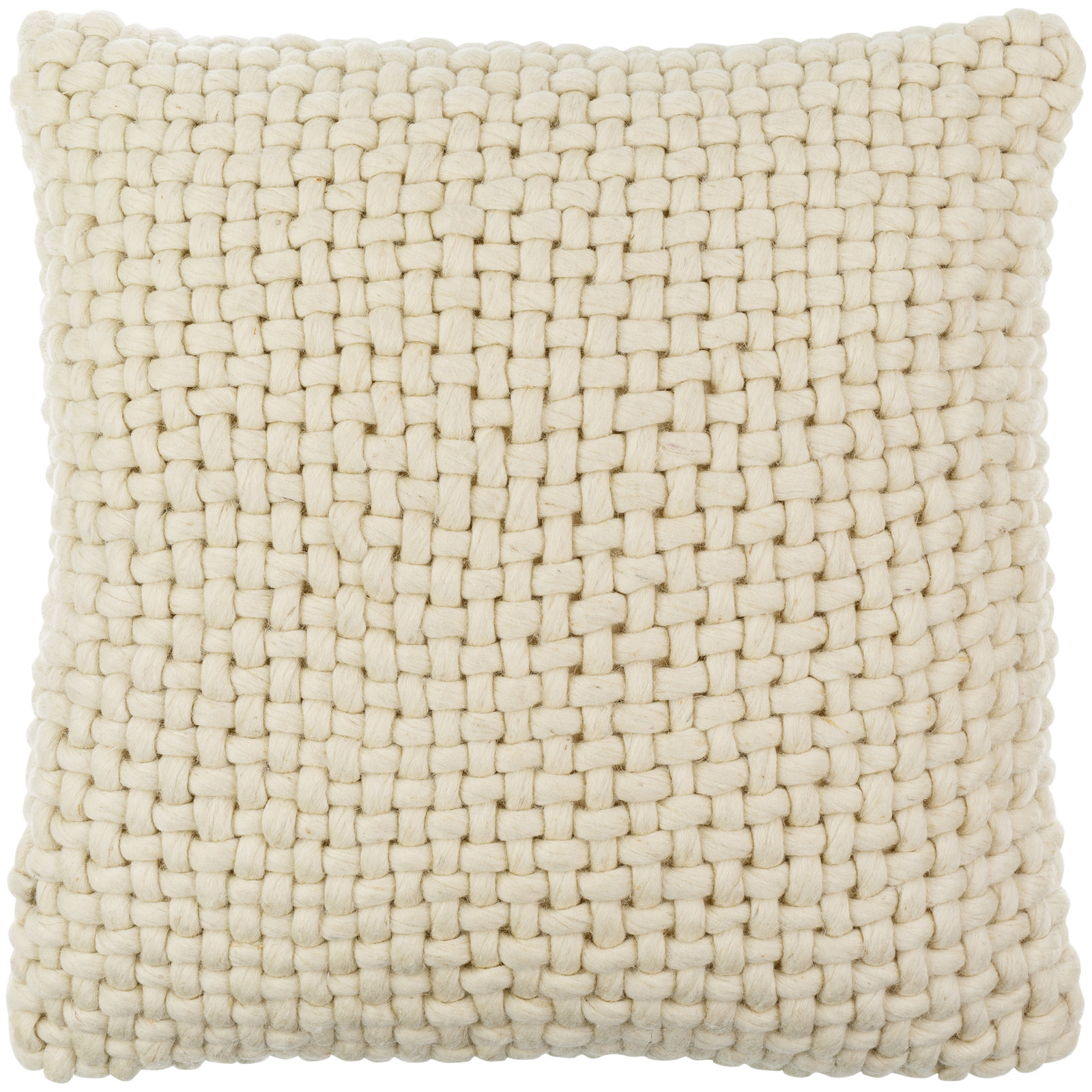
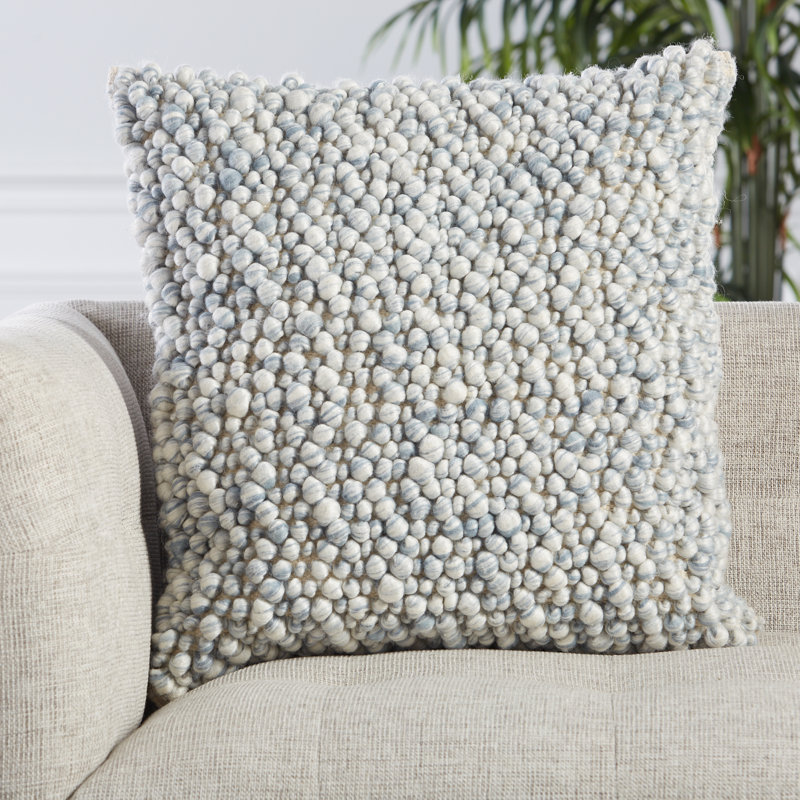
7. Style Your Shelves and Walls #
Empty walls and bare shelves are the enemy. But cluttered ones are worse. The goal is intentional layering – like a shelf that tells a story.
A simple shelf formula that works:
- 1 plant or dried stem in a vase
- 1 small framed piece (pressed flowers, watercolor, quote)
- 1-2 books (spine out)
- 1 small candle or trinket tray
That’s it. Don’t overthink it.
Floating shelves:


Wall art and trinket trays to add personality:


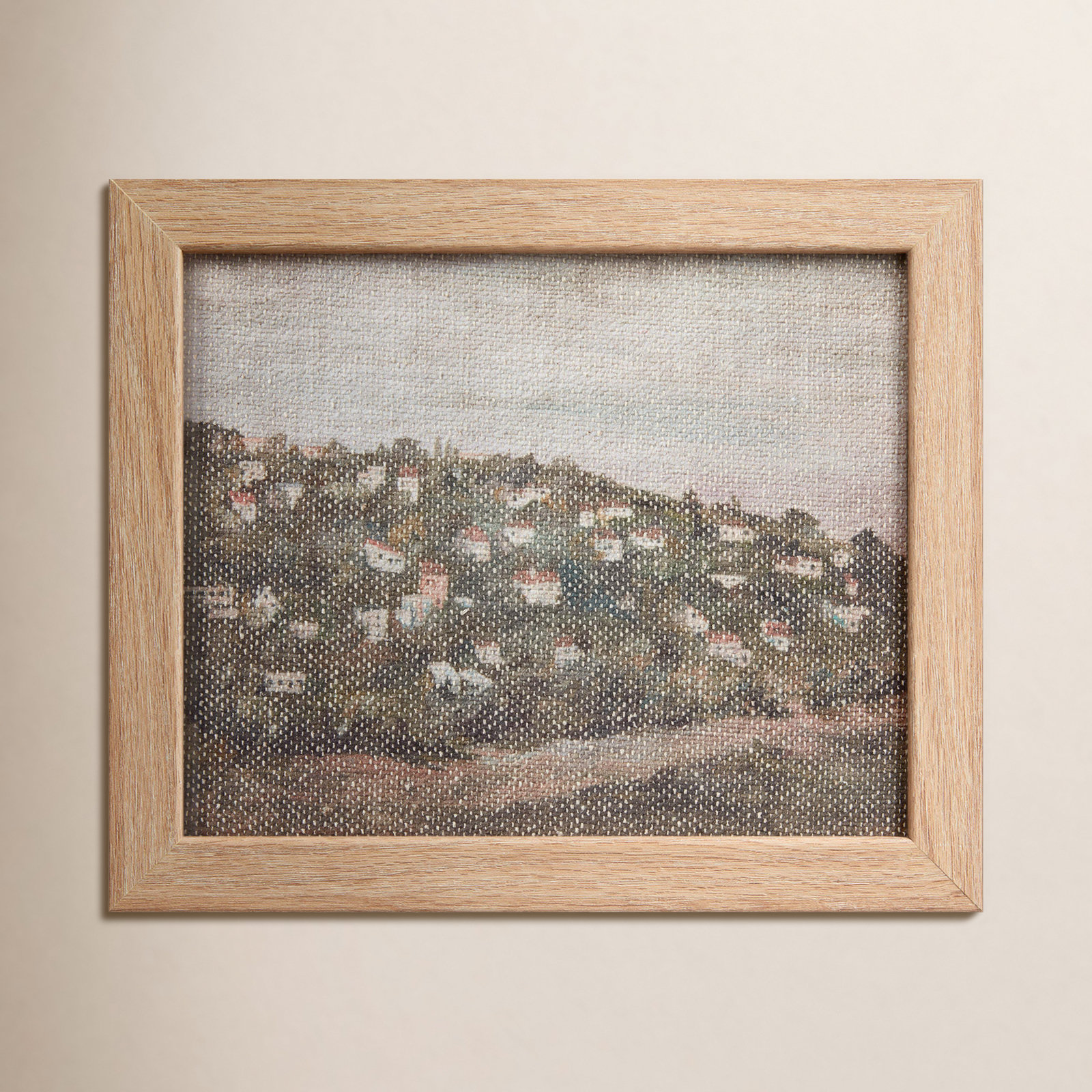
If you want the full desk-and-workspace version of this kind of intentional shelf styling, check out my aesthetic home office essentials guide .
What to Skip (And Why) #
Overloading on too many patterns. Cottagecore can handle pattern mixing but it needs an anchor – usually a solid neutral. If everything has florals, nothing reads as intentional.
Matching sets. The whole energy of cottagecore is collected-over-time, not bought-in-an-afternoon. Mixing brands and eras will always look more authentic.
Anything with cartoon characters or heavy branding. This matters both aesthetically (it breaks the dreamy vibe) and from a halal design perspective. Keep it nature-inspired, botanical, or abstract.
Fast-fashion home brands with animal imagery. A lot of cottagecore-adjacent products lean heavily on illustrated animals or figurines. They’re charming to some, but they conflict with halal home decor values – and honestly, dried florals and ceramics will outlast them in every way.
Cottagecore on a Budget: What to Prioritize #
Can’t do it all at once? Here’s the order that makes the most impact per dollar spent:
- Bedding – biggest visual surface area in a bedroom
- Lighting – warm lamps change the entire mood of a room
- One rug or floor mat – grounds the space immediately, even a smaller accent mat works
- Curtains – texture + softness for the whole room
- Candles and vases – small, affordable, high visual return
- Shelves and wall art – add last, when you know the room’s direction
If you’re working with a really tight budget, my budget room makeover guide has practical ideas that genuinely work without spending influencer money.
Quick DIY Cottagecore Projects #
Pressed flower frames: Collect flowers from outside, press them between two heavy books for 2-3 weeks, then frame. Zero cost, maximum charm.
Lace jar lanterns: Wrap lace ribbon around a mason jar, add a battery tea light inside. Done. Costs maybe $2 and looks like something from a Pinterest dream.
Painted terracotta pots: Buy plain terracotta pots, use chalk paint in sage or blush, add simple line designs with a thin brush. Let them dry and fill with a small succulent or trailing plant.
Gallery wall with your own photos: Print 5-7 of your own nature photos at a print shop in sepia or soft warm tones. Frame in mismatched thrifted frames. Way more personal than anything you can buy.
How Cottagecore Connects to Other Aesthetics #
If you love cottagecore, you’ll probably also vibe with:
-
Hygge – the Danish cozy-comfort aesthetic. More minimalist, less floral, still incredibly warm. I’ve written about it here: Hygge-Inspired Decor Ideas for a Cozy Home .
-
Boho eclectic – more layered and global-influenced than cottagecore, but shares the vintage + handmade energy. See my eclectic boho bedroom guide .
-
Cutecore – softer, more pastel and playful than cottagecore. Great if you want the same cozy energy but leaning more pink. Here’s the cutecore room decor guide .
-
Kawaii workspace – if your cottagecore room doubles as a workspace, the kawaii home office guide has some genuinely helpful and Muslim-friendly picks.
Frequently Asked Questions About Cottagecore Room Decor #
What exactly is cottagecore style?
Cottagecore is an aesthetic inspired by countryside living – think vintage furniture, soft florals, natural materials like linen and wood, warm lighting, and a generally slow-living vibe. It’s about making a space feel cozy, handmade, and a little nostalgic.
Is cottagecore still popular in 2026?
Yes – and it’s evolved. The aesthetic has moved away from its early maximalist phase and toward a more refined, intentional version: fewer knick-knacks, better-quality linens, and a stronger emphasis on natural materials. It’s no longer a trend in the viral sense; it’s settled into a genuine lifestyle aesthetic with real staying power.
How do I make my room look cottagecore on a budget?
Start with lighting and bedding – they have the biggest visual impact per dollar spent. Swap one overhead bulb for a warm-toned lamp, add a floral or linen duvet cover, and you’ll already feel the shift. Then build slowly: one rug or floor mat, a few dried stems in a vase, some linen curtains. You don’t need to do it all at once.
Is cottagecore the same as farmhouse style?
Not exactly. Farmhouse leans more rustic and practical – exposed wood, neutrals, clean lines. Cottagecore is softer and more romantic: florals, lace, vintage finds, and a dreamy, fairy-tale feeling. They overlap but have different energy.
Is cottagecore the same as shabby chic?
They’re close cousins but not identical. Shabby chic leans into distressed, “worn-in” furniture and white-on-white palettes. Cottagecore has more color (sage, blush, terracotta) and leans harder into nature and florals rather than distressed finishes.
How do I make a small room look cottagecore without it feeling cramped?
Stick to a light palette (cream, soft sage, blush). Use mirrors to open up the space. Keep your shelf styling minimal – 3-4 items max per shelf. Go vertical with your decor (tall lamps, wall hangings) instead of spreading things across surfaces. And please, do not buy a rug that’s too small for the room.
Can cottagecore work in a rented apartment?
Yes, easily. Textiles (bedding, rugs, curtains), lighting, candles, plants, and shelf styling don’t require any permanent changes. You can transform a rented room completely with just those elements – no painting, no drilling beyond a few small hooks.
What colors are used in cottagecore decor?
The palette is deliberately muted and earthy: cream, warm white, sage green, moss, blush pink, dusty rose, warm beige, and terracotta. Avoid anything bright or saturated – the goal is colors that feel like they belong in an old English countryside painting, not a nursery.
What furniture fits the cottagecore aesthetic?
Vintage or vintage-inspired pieces work best: wrought iron bed frames, wooden dressers with carved details, rattan or wicker accents, and mismatched chairs with linen or floral upholstery. The key is that things should look collected over time, not bought as a set.
Where can I find boycott-safe cottagecore decor?
Everything in this post is from brands that are either boycott-safe or ethically vetted: Free People Home, Rifle Paper Co., Quince, Anthropologie, AllModern, Roomtery, Kore Kawaii, and Sugar Paper. All links go through ShopMy or the brand’s own site, and none of them are AliExpress or fast-fashion adjacent platforms.
Do I need to swap out my cottagecore decor seasonally?
Not really, and that’s part of the appeal. The core palette (sage, cream, blush, terracotta) works year-round. If you want a seasonal refresh, just swap the vase contents (dried lavender in spring, pampas grass in fall) rather than replacing furniture or bedding.
Is cottagecore a Muslim-friendly aesthetic?
Generally yes! The aesthetic avoids a lot of the design elements that conflict with Islamic home decor values – no animal imagery, no figurines, no cartoon characters. It’s botanical, vintage, and nature-forward. Just watch for decorative items with faces or animal figures, which some cottagecore pieces do include. Stick to botanicals, abstract textures, and geometric or floral patterns.
How is cottagecore different from hygge?
Both are cozy aesthetics, but hygge is Danish and more minimal – warm neutrals, candles, and simple comfort. Cottagecore is more English countryside – florals, vintage, green and cream, and more visual layering. If you love both, they mix really well.
Final Thoughts #
Cottagecore rooms aren’t built in a weekend. Start with your color palette, focus on bedding and lighting, then slowly layer in rugs, botanicals, and vintage-inspired details. The goal isn’t a perfectly curated Instagram room – it’s a space that feels calm, intentional, and genuinely yours.
And the best part? Because you’re building with boycott-safe, halal-conscious picks, every bit of it sits well on your conscience too.
Now, Your Turn #
Which part of your room are you starting with? Are you doing the bedding first or jumping straight to the lighting? Or are you the “buy the candles and call it done” type (no judgment, same)?
Drop a comment below – I’d genuinely love to see how your space is coming together. And if you share on Instagram or Pinterest, tag me so I can cheer you on. 🌿
You might also love: