
“Glass skin” sounds like a marketing term until you see someone who actually has it and realize their routine is more intentional than yours.
The 7-step Korean skincare routine gets talked about like it’s this intimidating, product-hoarding commitment. It’s not. It’s a logical order of operations – each step primes the skin for the next one. You don’t have to do all seven every single day. But understanding what each step does means you stop buying products you’re applying wrong, in the wrong order, wondering why nothing works.
This post breaks it down honestly. What each step actually does, what ingredients to look for, and the best current picks for each step. All products are from Korean indie or mid-range brands. Boycott-safe across the board – no large conglomerates.
✨ Some links in this post are affiliate links. If you purchase through them, I may earn a small commission at no extra cost to you. It helps keep this blog going!
🌿 Some external product pages may contain images of women. Brothers in faith, please proceed with caution. Responsibility lies with the individual.
First: Do You Actually Need All 7 Steps? #
No. Here’s the honest answer:
- Bare minimum (non-negotiable): Cleanser, moisturizer, sunscreen. If you do nothing else, do these three.
- Intermediate: Add toner and one serum targeting your main concern.
- Full routine: All 7 steps during seasonal transitions, when your skin needs extra support, or when you have the time.
The full routine is a toolkit – not a daily obligation. Use what your skin actually needs.
The 7 Steps, Explained #
Step 1: Oil Cleanser #
What it does: Dissolves sunscreen, makeup, sebum, and the general pollution your face collected all day. Water alone cannot break down oil-based residue. This step does.
What to look for: Lightweight, plant-based oils that emulsify cleanly with water – no greasy film left behind. Non-comedogenic is important if you’re acne-prone. Avoid mineral oil high in the ingredient list.
Best picks:
- Anua Heartleaf Pore Control Cleansing Oil – the current bestseller for a reason. Heartleaf extract soothes while it cleans, non-comedogenic, emulsifies completely. Good for all skin types including sensitive and acne-prone.
- Ma:nyo Pure Cleansing Oil – slightly richer texture, better for dry or normal skin. Great at melting waterproof makeup.


Skip it if: You wore no sunscreen and no makeup that day. A single water-based cleanser is enough.
Step 2: Water-Based Cleanser #
What it does: Cleans what the oil cleanser loosened – sweat, residue, anything water-soluble. Together these two steps are the “double cleanse” and together they actually clean your skin without over-stripping it.
What to look for: pH around 5.0 to 6.5, close to your skin’s natural pH. Anything more alkaline strips your barrier and leaves skin vulnerable. Most foam cleansers in Western drugstores are too alkaline – Korean formulas tend to get this right.
Best picks:
- Anua Heartleaf Quercetinol Pore Deep Cleansing Foam – deep cleanse with BHA for pore clearing, triple hyaluronic acid so it doesn’t dry you out. Excellent for oily and combination skin.
- Abib Acne Foam Cleanser Heartleaf Foam – gentle pre-foamed formula with heartleaf, centella, and panthenol. Best for sensitive and acne-prone skin.


Common mistake: Using a cleanser that leaves your skin feeling squeaky-clean. That’s not clean – that’s your barrier in distress.
Step 3: Exfoliant #
What it does: Removes dead skin cells that dull your complexion, block absorption, and clog pores. This step, done right, is what makes everything else in your routine actually penetrate.
Types and who they’re for:
- AHA (glycolic acid, lactic acid): Best for dry or dull skin. Works on the surface to smooth texture and brighten.
- BHA (salicylic acid): Oil-soluble, gets into pores. Best for oily, acne-prone, or blackhead-prone skin.
- PHA: Gentlest option, good for sensitive skin that reacts badly to AHA or BHA.
Best picks:
- Some By Mi AHA BHA PHA 30 Days Miracle Toner – liquid exfoliant with all three acids. Surprisingly gentle for a multi-acid formula. Great starter exfoliant.
- Skinfood Black Sugar Mask Wash Off – physical exfoliant, use maximum twice a week, gentle enough for most skin types.


Important: 1 to 2 times a week only. Over-exfoliation wrecks your skin barrier and then you spend three months repairing it. Ask anyone who learned this the expensive way.
Also – if you’re using toner pads with exfoliating action like the Medicube Zero Pore Pad, that counts as this step. Don’t double up. For more on getting the most out of toner pads: Top 5 Korean Toner Pads to Actually Transform Your Skin .
Step 4: Toner #
What it does: Restores your skin’s pH after cleansing and starts layering hydration. Korean toners are nothing like the astringent alcohol-heavy ones from 2010. These are lightweight hydrating liquids that prep your skin to absorb everything that comes after.
What to look for: Hyaluronic acid, centella asiatica, heartleaf, beta-glucan. Avoid alcohol denat listed high in the ingredients – that’s the stripping kind.
Best picks:
- Anua Heartleaf 77% Soothing Toner – Olive Young bestseller. 77% heartleaf extract calms inflammation, balances moisture, restores pH. Excellent for sensitive, acne-prone, or reactive skin.
- Klairs Supple Preparation Unscented Toner – fragrance-free classic, works for almost everyone. Good fallback if you’re not sure what your skin needs yet.


How to apply: Pour into your palms and press into skin. Don’t wipe – pressing improves absorption. You can layer it two to three times for extra hydration (the “7 skin method” takes this to an extreme but even two layers makes a difference).
Step 5: Essence #
What it does: More concentrated than toner, targets specific concerns while layering hydration. Think of toner as the base coat and essence as the first coat of actual color. The question everyone asks: what’s the difference between this and toner? Essence is thicker, more active, and does more targeted work.
What to look for: Fermented extracts (galactomyces, bifida), snail mucin, niacinamide, peptides. These are the actives doing the longer-term work on your skin quality.
Best picks:
-
Mixsoon Bean Essence – indie Korean brand, vegan, fragrance-free, alcohol-free. Fermented soybean does what snail mucin does for most people: barrier repair, hydration, texture improvement. 100% fermented extract, zero unnecessary ingredients.
-
Missha Time Revolution The First Treatment Essence – fermented yeast (galactomyces) for brightening and texture. The original K-beauty essence. Still excellent.


Can you skip it? Yes, especially as a beginner. If budget is tight, skip essence and invest in a good serum instead – the serum does more targeted work.
Step 6: Serum or Treatment #
What it does: Your targeted treatment step. Whatever your main skin concern is – acne, dark spots, dehydration, aging – this is where you address it. Serums are more concentrated than essences and formulated to penetrate deeper.
Match the serum to your concern:
- Acne and breakouts: Tea tree, salicylic acid, centella, heartleaf. Try Some By Mi AHA-BHA-PHA 30 Days Miracle Serum .
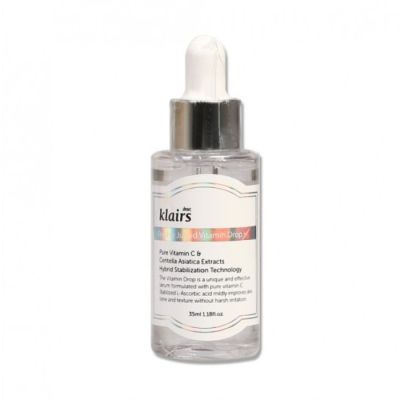
- Dark spots and hyperpigmentation: Vitamin C, arbutin, niacinamide. Try Dear Klairs Freshly Juiced Vitamin C Serum .
- Dehydration: Hyaluronic acid, panthenol, ceramides. Try Torriden Dive-In Hyaluronic Acid Serum .


Layering rule: Thinnest to thickest texture, always. Wait 30 to 60 seconds between layers. One targeted serum is enough for most people – you don’t need four.
For more on targeting blackheads and texture at this step specifically: Say Goodbye to Stubborn Blackheads: Easy DIY & Product-Based Methods .
Step 7: Moisturizer #
What it does: Seals everything in. Without moisturizer, a lot of what you just applied evaporates before absorbing properly. It also maintains your skin barrier – the thing that keeps moisture in and irritants out. Non-optional.
Best picks by skin type:
- Very dry or sensitive skin: Aestura AtoBarrier 365 Cream – ceramide-focused, fragrance-free, excellent for reactive or compromised skin.
- Oily or combination skin: Torriden Dive-In Soothing Cream – water-gel texture, absorbs fast, no greasy residue.
- All skin types: Dr. G Red Blemish Clear Soothing Cream – 10 cica ingredients, calming, works well in humid climates.


Night vs. day: The same moisturizer works fine for both. Some people use a richer one at night when the skin is in repair mode. Either approach works.
In winter, don’t underestimate this step – cold air pulls moisture out faster than you’d think. Winter Skincare Checklist: Keep Your Skin Happy Without Breaking the Bank covers how to adjust your routine when temperatures drop.
Step 8 (Bonus): Sunscreen - Morning Routine Only #
This technically sits outside the “7 steps” but it is the most important item on this list. Applied after moisturizer, before makeup, every single morning.
All the actives you just applied – vitamin C, niacinamide, snail mucin – UV exposure degrades them or reverses their work. Hyperpigmentation gets worse without SPF. Collagen breaks down faster. SPF is what makes the rest of your routine pay off long term.
SPF 50+ PA++++ minimum. Two-finger rule for amount – most people apply way too little and don’t get the protection on the label.
For a full breakdown of which Korean sunscreen suits your skin type: The Best Korean Sunscreens for Every Skin Type .
Full Routine at a Glance #
| Step | Product Type | Morning | Evening |
|---|---|---|---|
| 1 | Oil Cleanser | Optional | Yes |
| 2 | Water Cleanser | Yes | Yes |
| 3 | Exfoliant | No | 1-2x/week |
| 4 | Toner | Yes | Yes |
| 5 | Essence | Yes | Yes |
| 6 | Serum/Treatment | Yes | Yes |
| 7 | Moisturizer | Yes | Yes |
| + | Sunscreen | Yes (always) | No |
Are These Brands Boycott-Safe? #
Yes – with one important note. COSRX is owned by AmorePacific Corporation, a large South Korean conglomerate flagged in boycott campaigns due to its links to Vanguard Investments.
All brands currently recommended – Anua, Ma:nyo, Abib, Torriden, Some By Mi, Klairs, Skinfood, Mixsoon, Missha, Aestura, Dr. G, and Haruharu Wonder – are Korean indie or mid-range brands with no known ties to boycotted companies.
As always, verify independently if brand ownership changes. Petal Lifestyle will update recommendations accordingly.
Frequently Asked Questions #
Do I have to do all 7 steps every day?
No. The non-negotiables are cleanser, moisturizer, and sunscreen (morning). Everything else is layered in based on your skin’s needs. A Tuesday morning before class looks different from a Sunday evening with nowhere to be.
What order do I apply products?
Thinnest to thickest, always. Toner and essence before serum and moisturizer. Sunscreen is always the final step in the morning.
How long before I see results?
Hydration: within days. Texture: 2 to 4 weeks. Dark spots: 8 to 12 weeks minimum with consistent use. Anyone promising overnight results on hyperpigmentation is either lying or using something very aggressive.
What is double cleansing and do I need to do it?
Double cleansing means using an oil cleanser followed by a water-based cleanser. You need it if you wore sunscreen or makeup. If you didn’t, a single gentle cleanser is enough. It’s the first step of most evening K-beauty routines and the single best thing you can do for long-term skin clarity.
Is Korean skincare good for hijab-wearing skin?
Actually one of the better approaches for it. Skin that retains heat and sweat under a hijab benefits specifically from lightweight formulas, thorough double cleansing, good barrier support, and non-comedogenic products – all things Korean skincare does well. Gel moisturizers and water-based toners are especially suitable.
Is Korean skincare halal?
Many products are, but check individually. Snail mucin is animal-derived – some people are fine with it, others prefer to avoid it. For vegan-friendly options, Haruharu Wonder and iUNIK are strong starting points. Anua’s line is also largely plant-based.
Can I use Korean skincare if I have acne-prone skin?
Yes – K-beauty is actually particularly good for acne-prone skin because the focus on barrier health and gentle formulas prevents the over-stripping that makes acne worse. Look for “non-comedogenic” on the label and start with heartleaf or centella-based products.
What if a product breaks me out?
Patch test first: apply to inner arm or jaw for 3 to 5 days before full face use. If something causes a reaction, stop and give your skin two weeks before introducing anything new. Add one new product at a time so you know what caused it.
How do I build this routine on a budget?
Start with the basics: gentle cleanser, hydrating toner, simple moisturizer, sunscreen. Under $50 and covers 80% of what the full routine achieves. Add serums and essence once you know what your skin actually needs.
Toner pads are a great way to combine the toner and treatment steps if you want to keep things simple. Top 5 Korean Toner Pads to Actually Transform Your Skin covers the best current picks with honest reviews.
The 7-step Korean skincare routine is not about buying more stuff. It’s about understanding what your skin needs, in what order, with products formulated to actually work. Start small, stay consistent, and your skin handles the rest.
Ready to shop the routine? Everything is organized on my ShopMy storefront by category so you can build your routine without the scroll fatigue.
Which step are you most tempted to skip? Drop it in the comments – I’ll tell you honestly whether you actually need it.