
We’ve all been there. It’s 8 PM. You’ve survived the day – barely. Your brain is fried, your to-do list laughed at you, and “self-care” feels like something only people with unlimited time and a bathroom the size of a studio apartment can afford.
Here’s the truth: you don’t need a whole spa setup or three hours of free time. You just need to know what actually works – and do it consistently.
This post is your no-fluff guide to simple self-care ideas that genuinely de-stress you after a busy day. We’re skipping the generic “go for a walk” advice and getting into the good stuff. And yes – everything here is thoughtfully curated to be halal-friendly and boycott-conscious, because self-care shouldn’t come at someone else’s expense.
✨ Some links in this post are affiliate links. If you purchase through them, I may earn a small commission at no extra cost to you. It helps keep this blog going – jazakAllah khair for your support!
🌿 Note for Brothers in Faith: Some external product pages may contain images of women. Please proceed with caution. Responsibility lies with the individual.
Why Self-Care After a Stressful Day Actually Matters #
Before we get into the good stuff, a quick reality check: stress isn’t just “in your head.” Chronic daily stress raises cortisol levels, disrupts sleep, tanks your immune system, and quietly chips away at your mood over time. Taking even 20–30 minutes at the end of your day to genuinely decompress isn’t indulgent – it’s maintenance. Like charging your phone. You wouldn’t let it die every day and wonder why it’s slow.
And from a faith lens: Islam doesn’t ask us to be machines. “Allah does not burden a soul beyond that it can bear.” (Quran 2:286) Protecting your energy so you can show up – for your ibadah, your family, your work – is part of your amanah to yourself.
Now, let’s get into the tips.
10 Simple Self-Care Ideas to Unwind After a Long Day #
1. 🛁 Turn Your Shower Into a Full Reset Ritual #
Most of us treat showers like a chore we’re trying to get through as fast as possible. Flip the script.
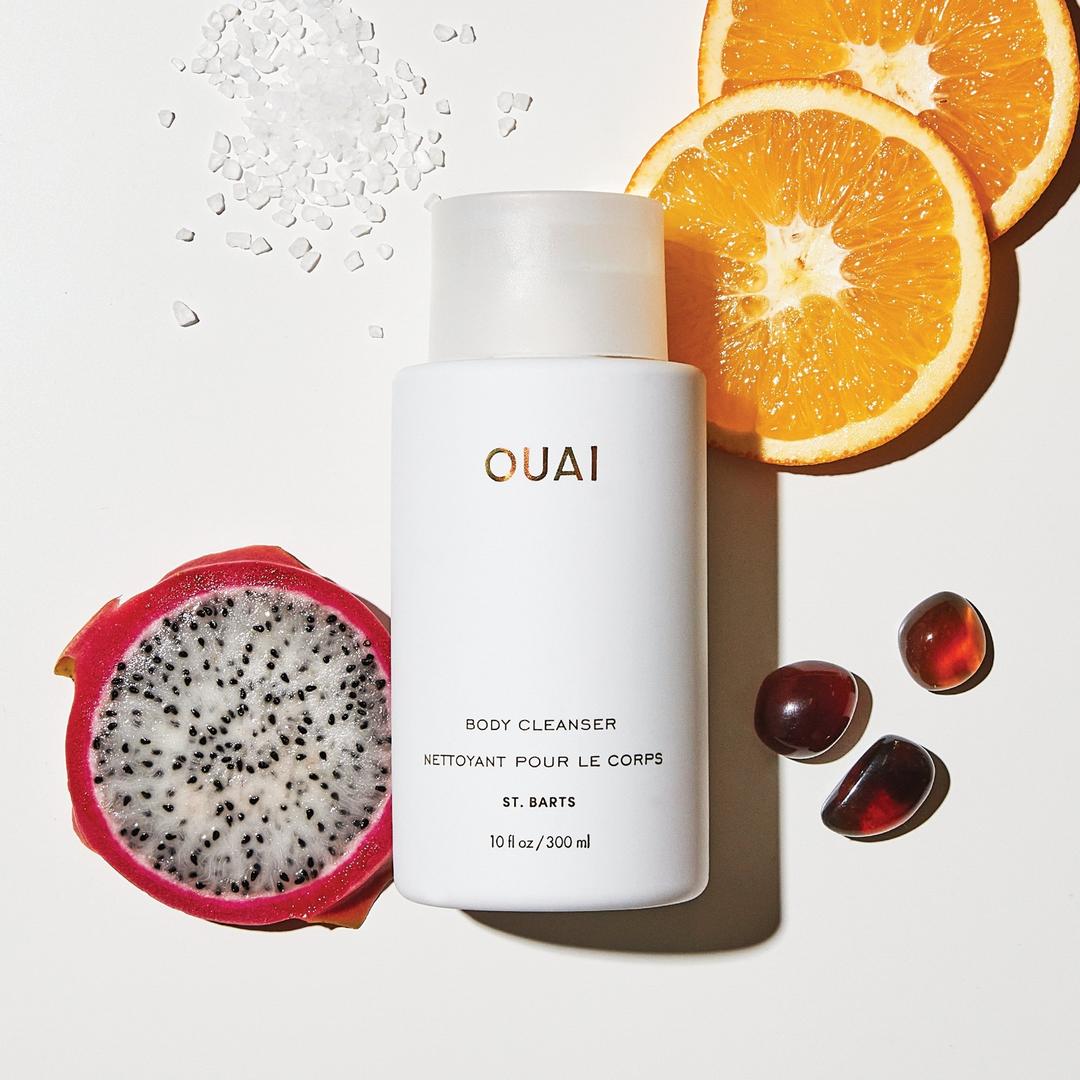
A warm shower with a beautifully scented body wash signals your nervous system that the day is done. It’s a physical transition between “work mode” and “rest mode” – and the science backs it up. Research shows that warm water triggers the release of oxytocin while simultaneously lowering cortisol levels, creating a measurable biochemical shift away from stress. Studies using the Profile of Mood States (POMS) scale found significant reductions in tension, anxiety, and irritability after warm water exposure. (Source )
Don’t rush it. Let the water hit your shoulders. Breathe out slowly. The day is done.
Upgrade your routine with something that smells incredible and feels luxurious on your skin:

(Free alternative: even a cold-water face wash and a fresh change of clothes can create this same “day is over” signal if a full shower isn’t possible.)
2. 📓 Reverse Journaling (The Gratitude Hack You Haven’t Tried) #
Regular journaling asks you to replay your day. Reverse journaling does the opposite: you write down everything you’re glad didn’t happen today.
“I’m glad I didn’t miss the bus.”
“I’m glad that difficult conversation went okay.”
“I’m glad I didn’t burn dinner.”
It sounds almost silly – until you try it. This technique is rooted in cognitive reframing. Research from Indiana University (2015) found that gratitude writing created lasting changes in brain activity, with increased activation in the medial prefrontal cortex – the part involved in emotional regulation – observed even three months later. (Source ) In other words, it doesn’t just feel good in the moment. It gradually rewires how your brain processes your day by default.
This is deeply aligned with the Islamic concept of shukr. Being grateful for what didn’t happen is one of the most overlooked forms of thankfulness – and one of the most humbling.
Try this 3-minute reverse journaling prompt tonight:
“Three things I’m relieved about today: ___, ___, ___. One small mercy I almost didn’t notice: ___.”
Then, if you want to go deeper, pair it with a pretty journal that makes you actually want to write:


Pair with one of these for a truly satisfying writing experience:

3. 🕯️ Set the Mood With Ambient Lighting #
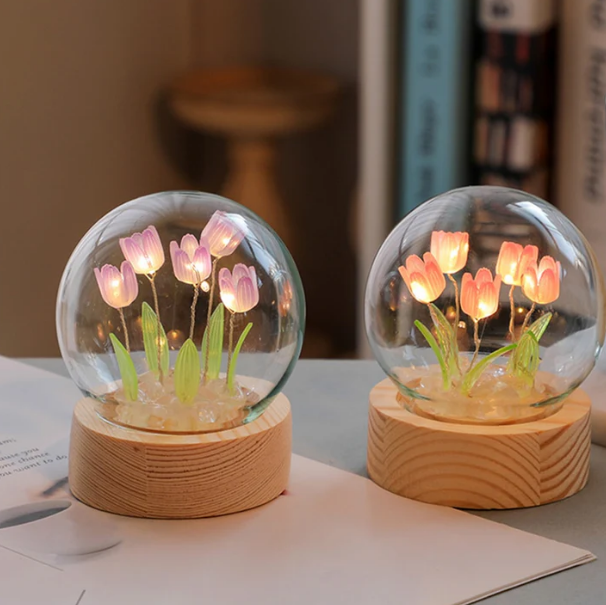
Here’s one tiny change with a disproportionately large effect: swap your harsh overhead lights for warm, dim light in the evening.
This isn’t just aesthetics. Research published in Scientific Reports found that “cool” white LED bulbs cause significantly greater melatonin suppression than warm white alternatives – with cool LEDs showing a melatonin suppression value more than three times higher than warm LEDs. (Source ) Melatonin is the hormone your body uses to signal that it’s time to wind down. When your ceiling lights keep telling your brain it’s daytime, your nervous system stays alert – even when you’re exhausted.
The fix is embarrassingly simple: turn off the overhead lights after Maghrib. Use a lamp, a fairy light string, or even a few candles. That’s it.

4. 🍵 Make Your Favourite Warm Drink – Slowly and Intentionally #
There’s a reason “having a cup of tea” is practically a universal prescription for difficult days. The ritual of making a warm drink – boiling water, choosing your blend, watching it steep – forces you to slow down. It’s a micro-mindfulness exercise you don’t have to call meditation.
Whether it’s chamomile before bed, matcha mid-evening, or a warm cup of doodh chai – the Prophet ﷺ was known to enjoy honey water as a form of nourishment. There’s something quietly Sunnah-aligned about this kind of intentional, slow nourishment of your body.
The act of making and sipping something warm is genuinely calming to the nervous system. And drinking it from a cup that makes you smile? That’s the kind of small luxury that costs almost nothing.
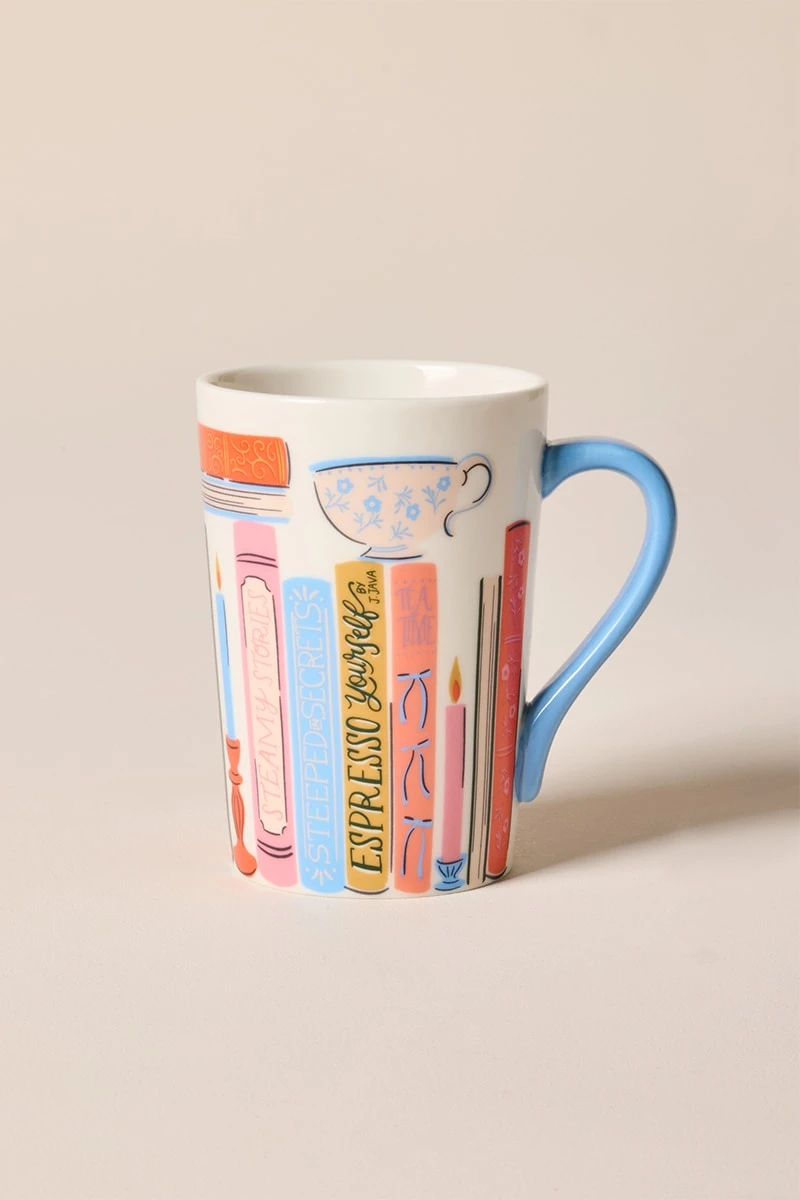

If you love a good matcha setup, check out our Matcha Lovers Study Setup collection – curated, boycott-safe, and very cute.
5. 🌿 Grow Something Tiny (And Let It Ask Nothing of You) #
After a day of being needed – by emails, tasks, people, notifications – there’s something deeply restorative about tending to a living thing that asks nothing of you in return.
A small terrarium, a succulent on your windowsill, a pot of mint on the kitchen ledge. The bar is genuinely low. Pick something forgiving and low-maintenance, and make a habit of checking on it in the evening.
What this does, quietly, is pull you out of your head and back into your hands. The texture of soil, the act of watering, noticing new growth – it’s present-moment awareness without needing to call it mindfulness. And there’s a Quranic beauty to it too: “And it is He who sends down rain from the sky, and We produce thereby the growth of all things.” (Quran 6:99) Tending to something that grows is, in its own way, a reminder of barakah.
No budget? Propagate a cutting from a friend’s plant. It costs nothing and feels like magic every time it roots.
6. The “Brain Dump” Offload – Empty Your Head Onto Paper #
Here’s one that sounds unglamorous but works embarrassingly well.
Set a timer for 10 minutes. Write down everything that’s sitting in your head – the unfinished tasks, the things you’re worried about, the random things you need to buy, the conversation that’s been bothering you. Don’t organize it. Don’t format it. Just get it out.
This is different from journaling. It’s not reflective. It’s evacuative. The goal is to move all the open tabs in your brain onto paper so your mind can actually rest.
Research from Dr. James Pennebaker at the University of Texas found that expressive writing for even 15–20 minutes helps the brain cognitively process and “file” stressful experiences rather than keep them looping – leading to measurable reductions in emotional exhaustion and anxiety over time. (Source ) A brain dump isn’t quite the same as expressive writing, but it works on the same principle: externalizing the mental load gives your nervous system permission to let go.
(Free: all you need is any piece of paper and a pen. Burn it after if that feels cathartic – some people swear by it.)
7. 🧘 Move Your Body – Even Just for 10 Minutes #
Before you skip this because you’re tired: we’re not talking a workout. We’re talking about the kind of movement that releases tension rather than building more of it.
Physical stress lives in your body – tight shoulders, clenched jaw, tight hips, held breath. Movement tells your nervous system the “threat” is over. Think gentle stretching, a slow roll of the shoulders, or 10 minutes of quiet floor stretches with a nature sounds playlist. That’s it.

For more ideas on gentle movement at home, check out our post: How to Stay Fit Without a Gym (10 Fun & Easy Home Workout Ideas)
8. 🧴 Weekly Exfoliation = Weekly Reset #
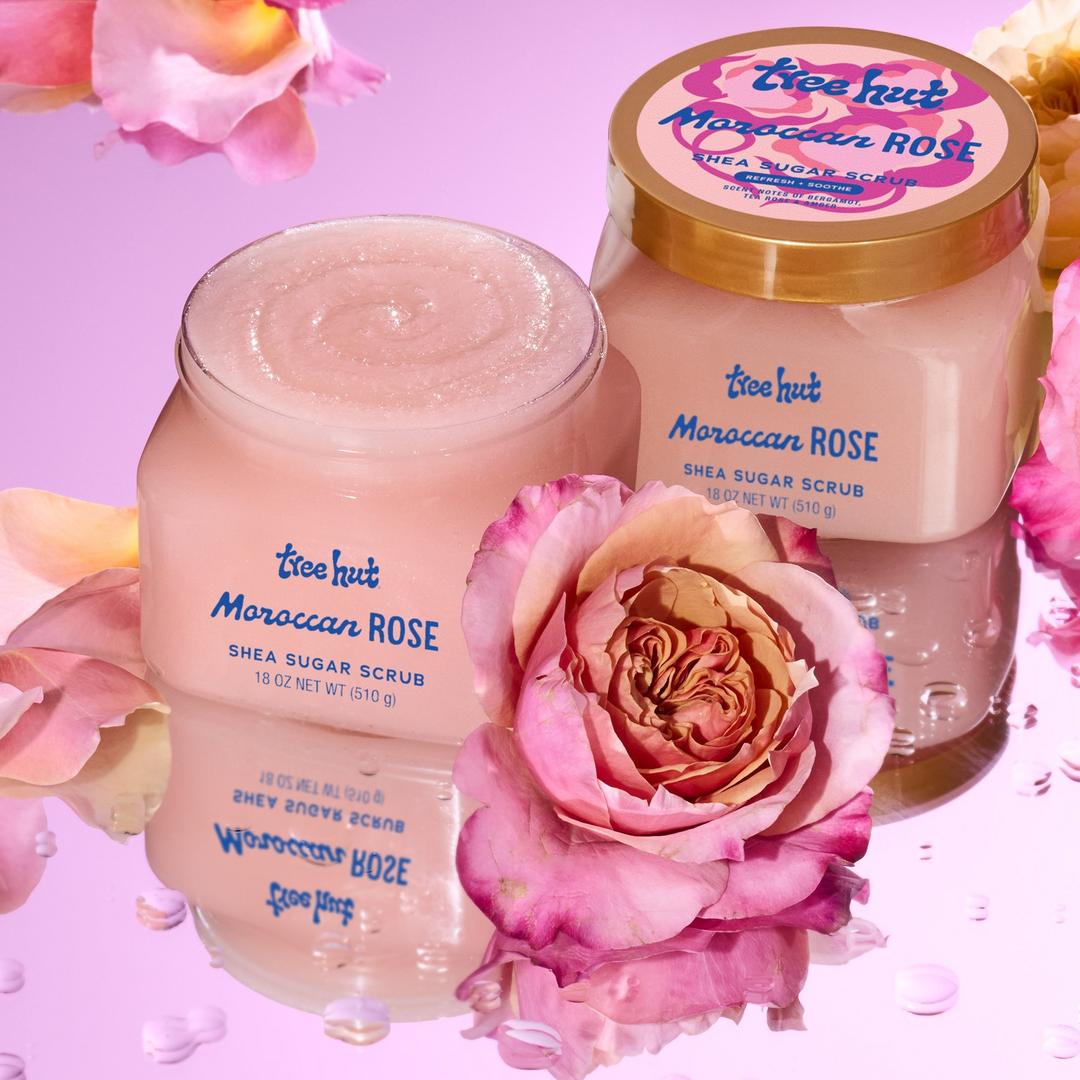
There’s something genuinely satisfying about a good body scrub. It removes the physical buildup of the week – dead skin, city grime, sunscreen residue – and leaves your skin baby-soft. It’s also a legitimate mindfulness practice: the texture, the scent, the warmth of the water. All of it keeps you present.
Do this once or twice a week as a ritual, not a task. Put on some calming audio – Quran recitation or nature sounds – and take your time.
9. 💌 Write a Letter to Your Future Self #
This one hits different.
Take out paper and write a letter – not a to-do list, not a gratitude list. A letter. To yourself, one year from now.
Tell her what you’re going through right now. What you’re scared of. What you’re hoping for. Give her encouragement. Remind her that you did your best today. And then – here’s the part most people skip – also write her a dua. Ask Allah ﷻ to grant her ease, to let her look back on this period with softness rather than regret.
Seal it in an envelope. Set a phone reminder for one year from today. Then forget about it.
When you open it, you will probably cry a little. In the best possible way. Because you’ll realize how much you’ve been through, how much has shifted, and how tenderly past-you was rooting for you.

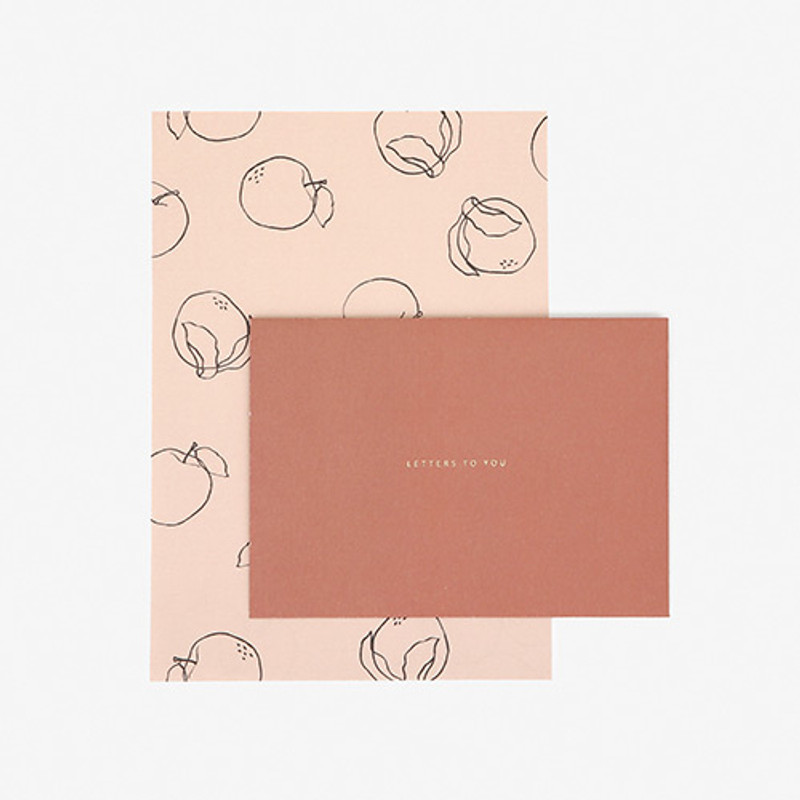
Love beautiful stationery? The Aesthetic Desk Setup collection under $100 has halal-conscious, boycott-safe stationery picks.
10. 📿 End With Something That Grounds You Spiritually #
Nothing resets the soul quite like returning to dhikr after a hard day.
Subhanallah, Alhamdulillah, Allahu Akbar – 33 times each. Or reading a few pages of Quran with the intention of just listening, not analyzing. Or simply sitting in quiet dua and telling Allah ﷻ exactly how your day went – the frustration, the exhaustion, the small mercies you almost missed.
Stress often comes from feeling like we’re carrying too much alone. Remembrance is the reminder that we’re not. “Verily, in the remembrance of Allah do hearts find rest.” (Quran 13:28)
This is why we created the 32 Daily Islamic Dua Cards – a simple, printable set of duas to keep close during your evening wind-down, without having to search your phone every time. They make a beautiful addition to a bedside corner or desk.
A Note on Boycott-Conscious Self-Care 🌿 #
All product recommendations on Petal Lifestyle are curated to be boycott-safe and halal-compliant. To evaluate products, I cross-reference the No Thanks app – a widely used boycott resource that tracks brand-to-parent-company relationships – alongside current boycott lists at the time of writing.
Please note: boycott lists update frequently as new information becomes available. A brand that was clear at the time I wrote this post may have changed status. I’d encourage you to do a quick check on the No Thanks app before purchasing, especially for items you buy regularly. It takes 10 seconds and matters.
Self-care shouldn’t cost you your values. You deserve both.
Build Your Evening Routine – Start Small #
You don’t need to do all 10. Pick two or three that feel genuinely doable tonight and build from there. The goal isn’t a perfect routine – it’s a consistent signal to your body that the day is done and you’re safe to rest.
That’s it. That’s the whole thing.
For more self-care and wellness inspiration, explore:
- How to Stay Fit Without a Gym
- 5 Detox Drinks You Can Make at Home
- Cottagecore Room Decor Ideas
- The Matcha Lovers Study Setup Collection
Frequently Asked Questions #
What is the best self-care routine after a stressful day? #
Honestly? The one you’ll actually do. A realistic starter that takes 20 minutes: take a warm shower with a scented body wash, dim your lights, make a warm drink, and spend 5–10 minutes doing a reverse journal or brain dump. That’s it. Done consistently, it’s more effective than an elaborate 2-hour routine you’ll abandon by Thursday.
How can I de-stress quickly after work? #
The fastest reset is a physical one: change your clothes, wash your face, and physically leave your workspace – even if “leaving” just means closing a door. That physical transition signals to your brain that work is over. Add warm lighting and a hot drink and your nervous system starts to settle within minutes.
What are some self-care ideas that don’t cost much? #
Most of the most effective ones cost nothing: a brain dump on any piece of paper, 10 minutes of shoulder stretches, dhikr, growing a cutting from a friend’s plant, or writing a letter to your future self. The affordable upgrades – fairy lights, a body scrub, a pretty journal – are nice, but genuinely optional.
Is self-care allowed in Islam? #
Not only allowed – it’s encouraged. Islam teaches us that our body is an amanah (trust) from Allah ﷻ and we are accountable for how we care for it. We are taught not to overburden ourselves. Self-care, done with good intention and within halal limits, can absolutely be an act of worship.
What is boycott-safe self-care? #
It means choosing products from brands not connected to companies actively supporting injustice or oppression. I use the No Thanks app as my primary reference – it traces parent company relationships so you can make informed choices quickly. All products on Petal Lifestyle are evaluated this way at the time of writing, though I recommend checking the app yourself since lists do get updated.
Where can I find halal self-care products that ship internationally? #
Stylevana ships widely and carries a solid range of Korean skincare and wellness products. ChicChoi is great for boycott-safe stationery and desk items. Both are featured in our ShopMy collections .
Does journaling really help with stress? #
Yes – and the evidence is solid. Research from Dr. James Pennebaker at the University of Texas found that expressive writing for just 15–20 minutes over a few days helped people cognitively process stressful events, reducing emotional exhaustion over time. A separate study found that journaling for 15 minutes three times a week lowered blood pressure and improved feelings of wellbeing. (Source ) It’s not magic – it’s your brain being given space to actually digest your day instead of looping it on repeat.
Found this helpful? Share it with a friend who needs to hear it today. And if you try any of these, I’d love to know which ones stuck – drop a comment below! 💬